BUSINESS ENERGY EFFICIENCY GUIDE
Key Areas of Energy Waste in UK Businesses
Discover where your business could be wasting energy and explore practical ways to improve efficiency, reduce utility bills and lower operating costs.
Let Us Contact You:

Featured Energy Consultancy




Is Your Business Wasting More Energy Than Necessary?
Many UK businesses may be spending more on energy than they need to, not because of their energy contracts, but because of how electricity and gas are being consumed across their buildings and operations.
Heating and cooling systems running unnecessarily, equipment operating outside business hours, inefficient lighting and poorly managed building controls can all contribute to avoidable energy waste.
Over time, these inefficiencies can increase operating costs and make it harder for businesses to achieve their energy efficiency and sustainability objectives.
Identifying where energy is being wasted is an important first step towards business energy cost reduction.
In this guide, we explore five common areas of energy waste and the practical steps businesses can take to improve energy management and achieve commercial energy savings.

Inefficient Heating and Cooling Systems
Heating, ventilation and air conditioning (HVAC) systems can account for a significant proportion of energy consumption in commercial buildings.
When these systems are poorly maintained or incorrectly configured, businesses can end up using more electricity and gas than necessary.
Common causes of HVAC energy waste include:
- Heating and cooling systems operating simultaneously.
- Temperature controls configured incorrectly.
- Blocked filters restricting system performance.
- Heating or air conditioning running outside occupied hours.
- Equipment operating without consideration for actual building occupancy.
How to Improve Energy Efficiency
Businesses can reduce unnecessary HVAC consumption by:
- Reviewing heating and cooling schedules against building occupancy.
- Checking temperature settings to prevent heating and cooling systems from working against each other.
- Maintaining filters, controls and equipment regularly.
- Using automated building controls where appropriate.
- Adjusting operating schedules to reflect actual business requirements.
Regular maintenance and better control of HVAC systems can help businesses improve energy efficiency while maintaining comfortable working environments.

Equipment Running Outside Operating Hours
Equipment left running when it is not required is another common source of avoidable energy consumption.
Ventilation systems, office equipment, lighting, machinery and other electrical installations can continue consuming electricity during evenings, weekends and scheduled shutdown periods.
Although individual items may consume relatively small amounts of energy, unnecessary operation across an entire building or business can contribute to higher electricity bills.
How to Reduce Unnecessary Equipment Consumption
Businesses should consider:
- Reviewing electricity consumption during evenings, weekends and shutdown periods.
- Identifying equipment that can safely be switched off or placed into standby mode.
- Introducing automated operating schedules and timers where appropriate.
- Reviewing machinery and ventilation operating requirements.
- Assigning responsibility for checking equipment shutdown procedures.
Establishing clear shutdown procedures can help organisations reduce unnecessary electricity consumption without affecting day-to-day operations.

Inefficient Lighting and Poor Lighting Controls
Lighting can contribute to unnecessary electricity expenditure, particularly in large commercial spaces such as warehouses, offices, manufacturing facilities, car parks and distribution centres.
Older lighting technologies, poorly configured controls and lights operating in unoccupied areas can all increase energy consumption.
How to Improve Lighting Efficiency
Businesses can explore several practical improvements:
- Replacing inefficient lighting fittings with suitable LED alternatives.
- Installing occupancy sensors in areas that are not continuously occupied.
- Making better use of natural daylight through appropriate lighting controls.
- Reviewing external lighting schedules and operating hours.
- Ensuring lighting levels are appropriate for the activities taking place in each area.
LED upgrades and intelligent lighting controls can help businesses reduce electricity consumption while maintaining suitable lighting conditions.
Poor Building Insulation and Unnecessary Heat Loss
Poor insulation can increase the amount of energy required to maintain comfortable temperatures inside commercial buildings.
Heat can escape through roofs, external walls, windows, doors and poorly insulated heating pipework.
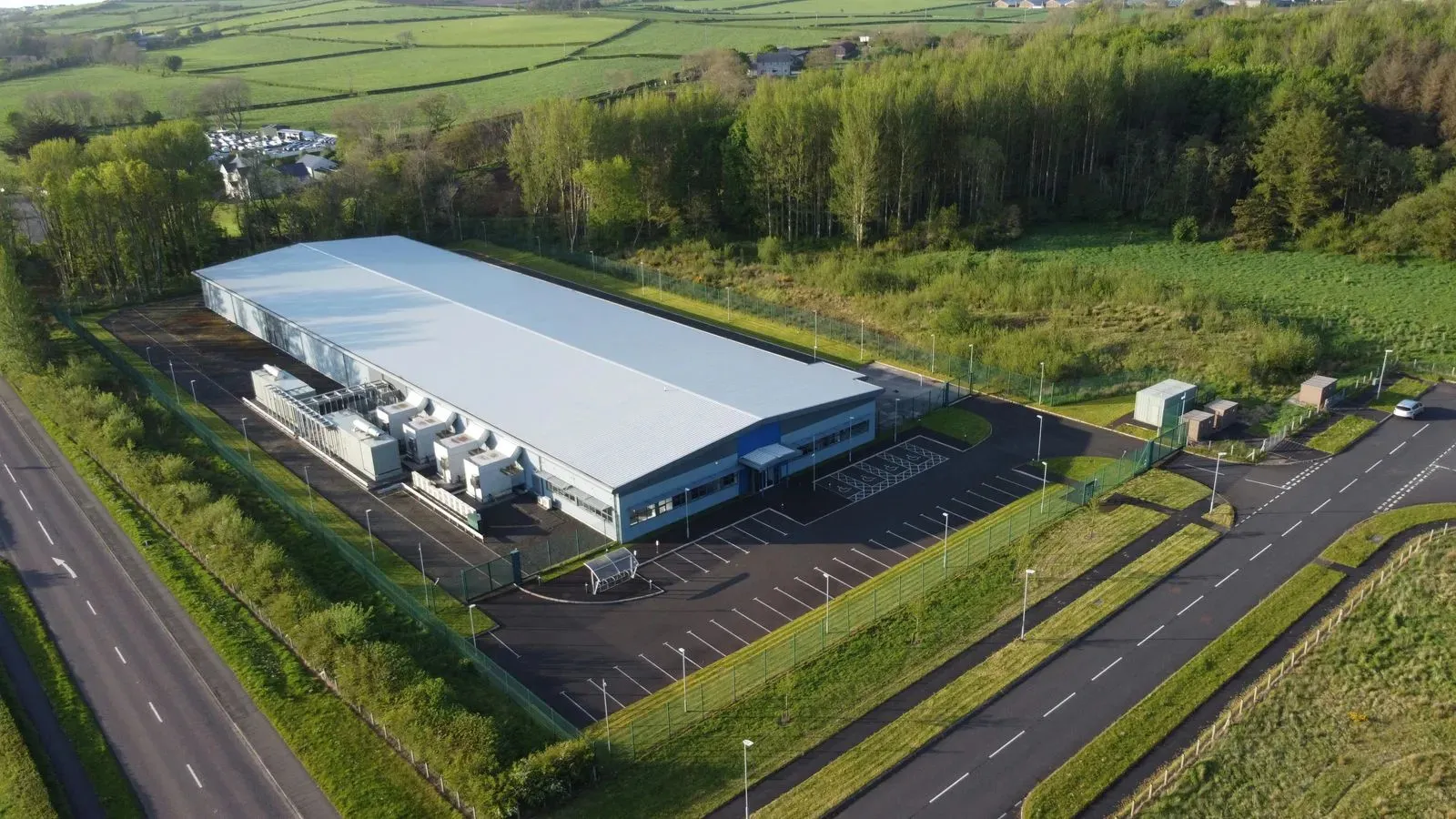
This is particularly relevant for older commercial properties, warehouses and industrial facilities with large access doors and loading bays.
As a result, heating systems may need to work harder and operate for longer to maintain the required indoor temperatures.
How to Reduce Heat Loss
Businesses should consider:
- Inspecting roof and wall insulation to identify areas of excessive heat loss.
- Reviewing door seals and installing suitable draught-proofing.
- Considering automatic or rapid-action doors in frequently accessed areas.
- Insulating suitable heating pipework and equipment.
- Assessing improvements to the building fabric where financially viable.
Addressing heat loss can reduce unnecessary heating demand and support wider energy efficiency improvements.
Limited Visibility of Energy Consumption
Businesses cannot effectively manage energy consumption without understanding where, when and how energy is being used.
Limited access to consumption data can make it difficult to identify unusual usage patterns, inefficient equipment and opportunities for commercial energy savings.
This challenge can be particularly significant for organisations managing multiple buildings or business locations.
How to Improve Energy Monitoring
A more structured energy management approach can help businesses gain better visibility of their consumption.
Practical steps include:
- Consolidating and analysing energy consumption data to identify unusual usage patterns.
- Comparing energy consumption across similar business locations.
- Establishing energy performance benchmarks.
- Monitoring usage against occupancy, operating hours or production output.
- Investigating unexpected increases or changes in energy demand.
For businesses managing multiple sites, centralised energy monitoring can make it easier to identify underperforming locations and prioritise improvements.
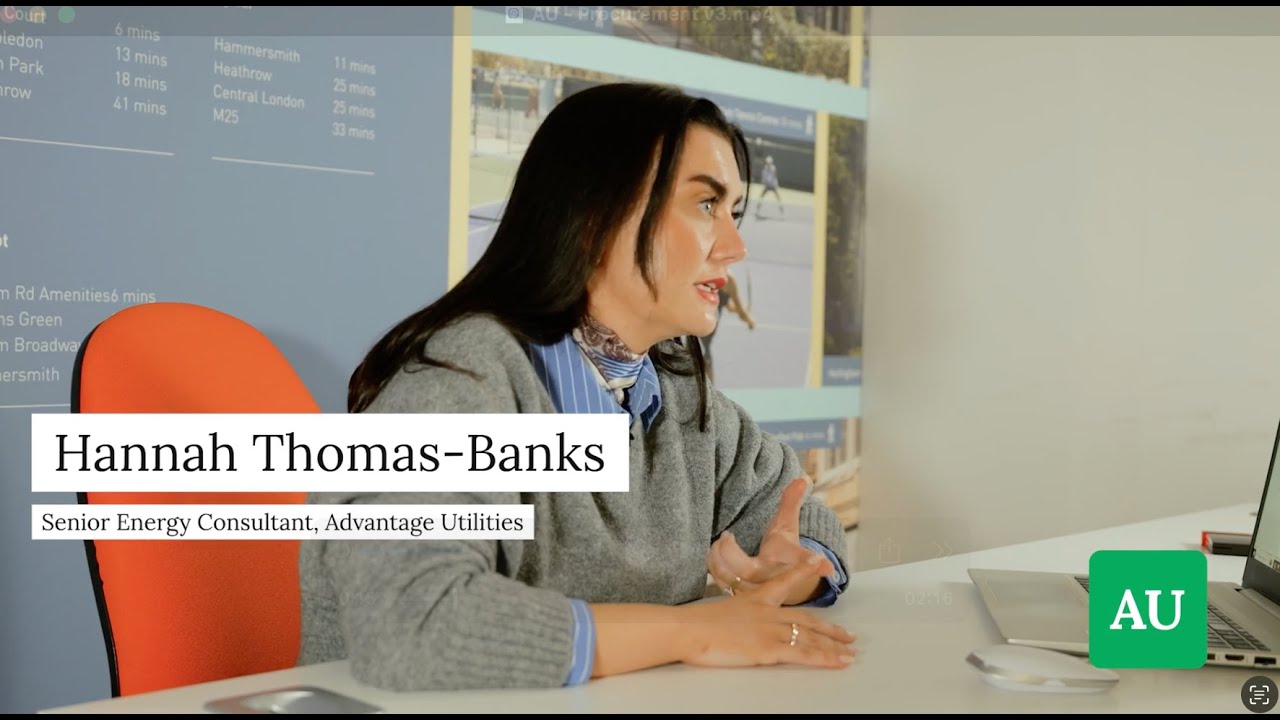
Working with an experienced UK energy consultancy, such as Advantage Utilities, can help organisations implement and analyse energy monitoring platforms to support better decision-making.
Where Should Your Business Start?
Not every energy efficiency improvement requires a significant financial investment.
Businesses can begin reducing energy waste by reviewing operating schedules, checking equipment settings, addressing maintenance issues and investigating unusual consumption patterns.
Larger investments, including HVAC upgrades, building insulation improvements and equipment replacements, should be supported by an assessment of installation costs, potential energy savings and expected payback periods.
An in-depth energy audit can help identify the most significant opportunities, establish priorities and determine which improvements are worth investigating further.
Taking a structured approach to energy management allows businesses to make informed decisions, improve operational efficiency and work towards long-term business energy cost reduction.
Find Out Where Your Business Could Be Saving Energy
Unnecessary energy consumption can increase operating costs without adding any value to your business.
Advantage Utilities supports UK businesses with energy audits, consumption monitoring and energy management solutions to help identify inefficiencies and explore opportunities for commercial energy savings.
Speak to our team to understand your energy consumption and identify practical ways to reduce your utility bills.
Advantage Utilities
£2bn+
22,000+
21%
1:1
Energy Specialist Services



What Our Clients Say About Us
"Advantage not only offered a fully encompassing solution but took over and executed this perfectly. The board have been extremely pleased with the prices Advantage have gained for us and the company has managed to reduce its energy costs by 28% in the first year."
The Group Finance Director
The Caro Group
"You offer a 'drop everything' level of service for all our needs with a single point of contact for us to speak with who understands us and how we work. That attribute is very rare in most companies."
Patrick Flynn, Senior Manager
The Urang Group
"Not only has my account manager allowed me to streamline my utilities, he has made my life so much easier. We achieved an overall 30-40% saving on our bills which made my bosses happy. It's people like him that give companies good names and will keep customers coming back."
Frankie Williamson
EQTR
"I was worried I was going to have a stressful situation on my hands which could have ended up in court — but Advantage Utilities resolved everything for me and managed to secure a considerable refund for me. What a relief!"
Melissa Maini, Director
Commercial & Co.

Speak With Us
We understand the complexities of navigating your energy, book in a time to speak with us below
Book A Consultation
Get In Touch